Gez Dewar
How an MTV producer thinks about music curation and mix creation
Artist Bio
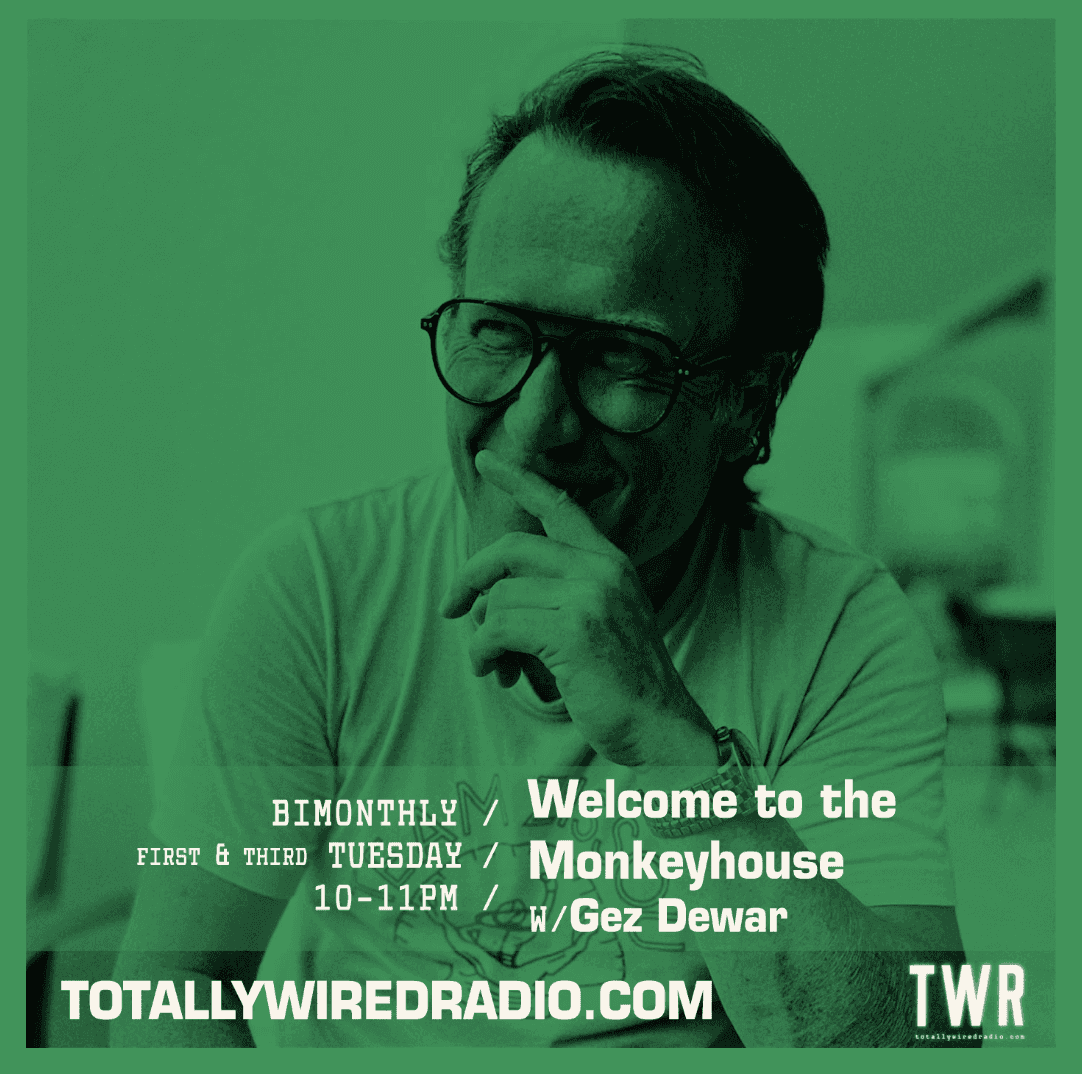
Gerard "Gez" Dewar is a British music producer with a career spanning over three decades. Starting in the early 90s London dance music scene ("Doi-Oing" for Sean McCluskey's Brainiak label), he released EPs for Ministry of Sound's Open label, scored a UK Top 40 hit with Heliotropic's Alive, and released tracks that became landmarks of the progressive house movement (The Oval Five Project).
Through his music production companies, he composed award-winning music for some of the world's most recognisable brands — including MTV, Guinness, BBC, Sony PlayStation, Under Armour, and more.
He also co-produced 50 Megamix shows for MTV with XFM DJ James Hyman, a collaboration that began on the legendary MTV Partyzone, becoming the first format to champion video bootlegs and broadcasting across 40 countries on MTV's Friday night slot for two years. The format then moved to the BBC, where they produced a further 30 episodes under the name The Joy of Decks.
Interview
One of his recent projects, Random House Project, is a mix show on Totally Wired Radio. Given his experience crafting mixes across radio, TV, and the club, we wanted to pick his brain about his process.
Q: When you're pulling together a show, do you start with a feeling or specific tracks?
Gez: It depends. Sometimes I might have a track or artist I'm really excited to showcase, so I'll build the show around that. Other times it will be led by the music I've bought that week, or an old classic posted on social media. Because I'm known for edits and reworks I like to feature at least a couple in every show, to support my wider community and showcase stuff I'm releasing.
I generally like to start my shows slow and build steadily throughout. My mixes are quite visual also, so I'm conscious of building a sonic landscape for folks to explore. I was heavily influenced by John Peel here in the UK, who had a late night show on Radio 1, and of course my early clubbing days where the music was always eclectic, I try not to stick to a particular style or genre.
Q: How much of a mix show is planned versus discovered in the process?
Gez: Often I just have a bunch of stuff I've collected over the weeks and the structure of the mix will be led by those tracks. I may need some extra ones to tie it all together, the structure can evolve organically. When I'm buying I'm always thinking about how those tracks will fit together.
Q: How do you approach genre blending without losing the thread?
Gez: I try not to think about it too much. I feel my way through the mixes and try all sorts of different combinations until they knit together well. Sometimes I find it quite good to just switch genres — you get emotional contrasts, which works better for radio than it would in a club environment. I like radio for the freedom it gives you like that.
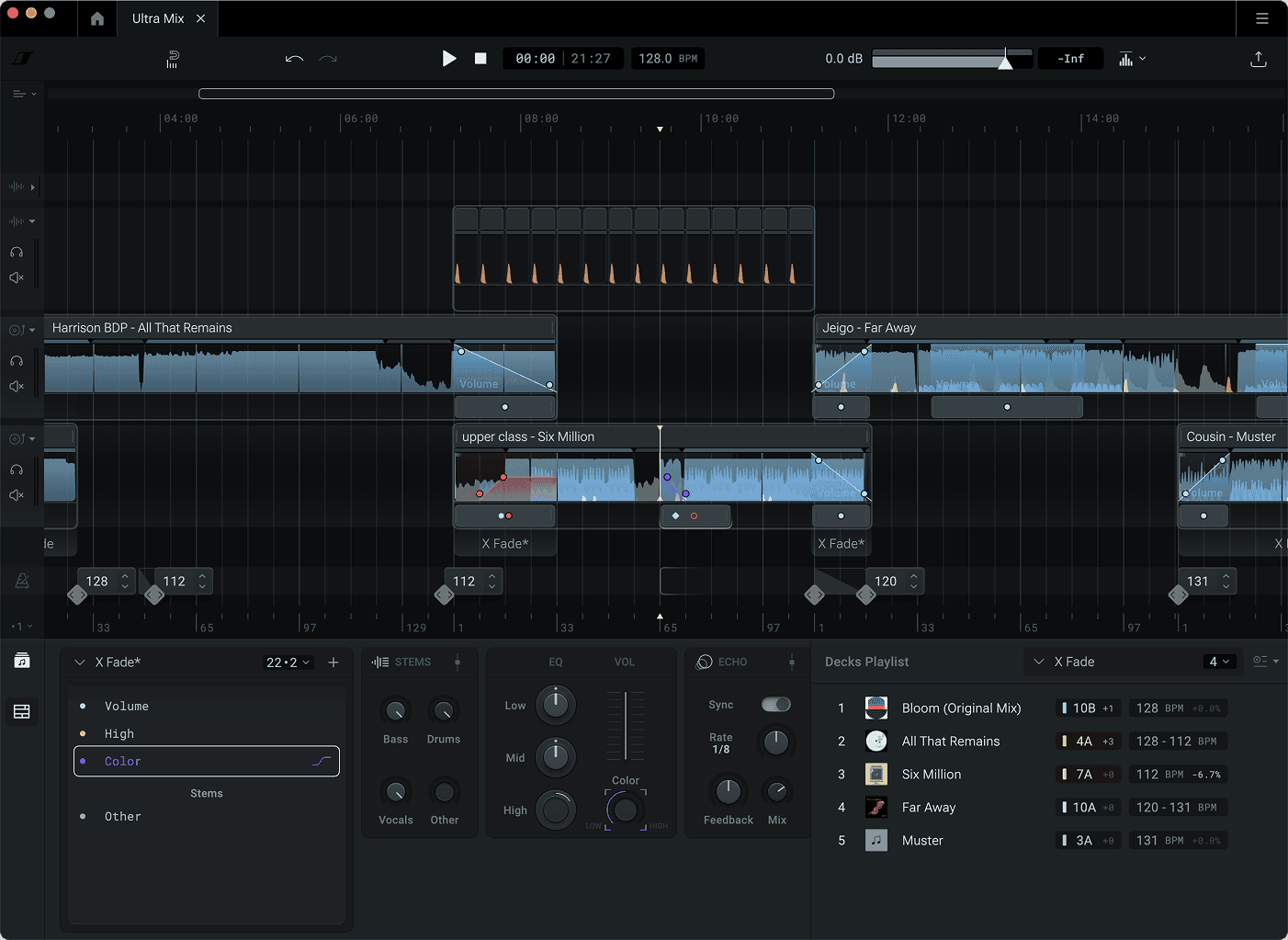
Q: What does DropLab give you that a traditional DJ setup or DAW doesn't?
Gez: Control. DropLab is the missing link between my DAW and DJ setup. It allows me to quickly filter my tracks and try all sorts of different combinations, fine tune every transition & edit tracks on the go. It does what neither of them can currently do. Even Ableton, which a lot of folks use for pre-recorded mixes, isn't able to juggle sync, tempo and key in the way DropLab handles a session. I can slow down parts of the mix and everything stays locked, or the entire session. I can program tempo ramps and drops. It really is incredibly powerful for that.